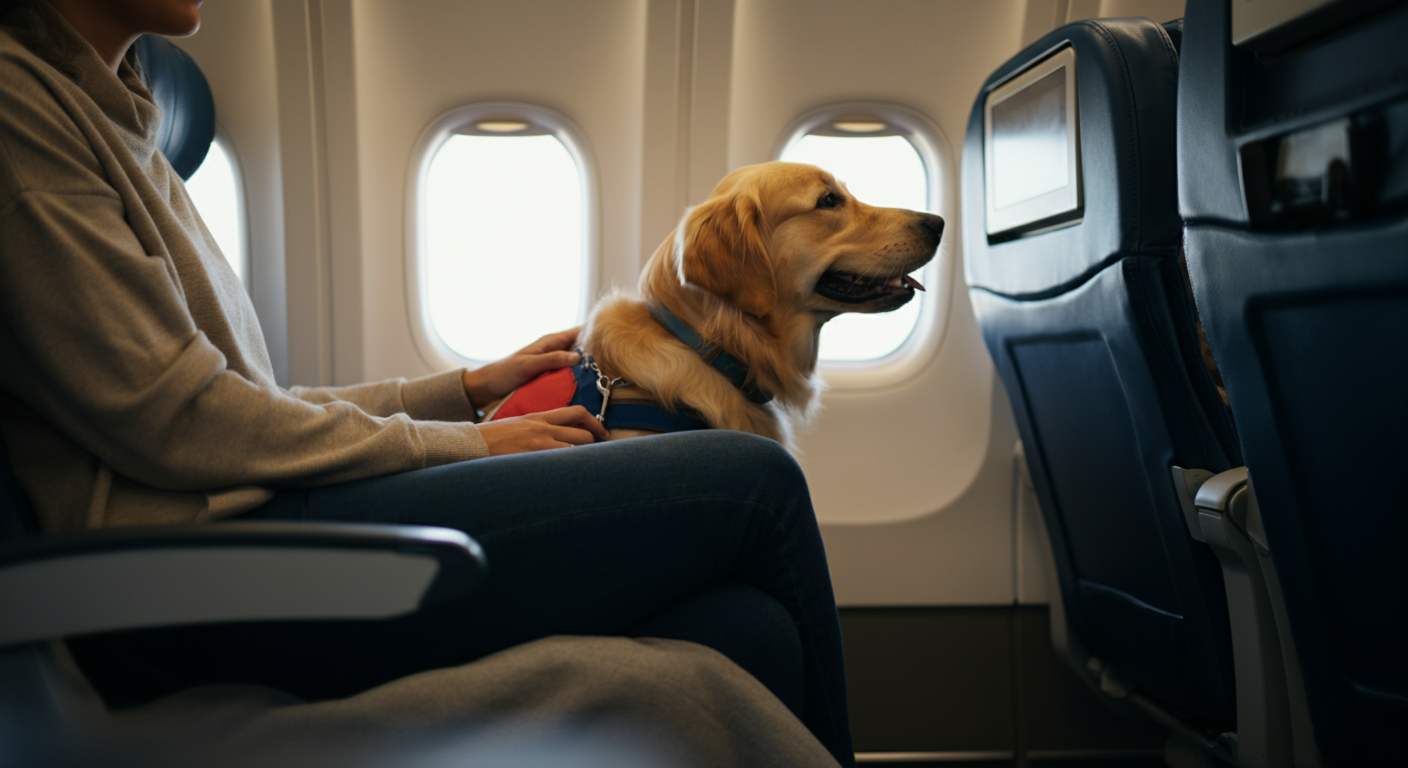
Navigating Air Travel with Your Emotional Support Animal: A Comprehensive Guide
Traveling with an emotional support animal (ESA) can be a rewarding experience, offering comfort and companionship during your journey. However, understanding the evolving regulations and airline policies is crucial for a smooth and stress-free trip. This comprehensive guide will walk you through everything you need to know about emotional support animal air travel, from documentation to day-of-travel tips.
Understanding ESA Air Travel Regulations
The landscape for emotional support animals on airplanes has changed significantly. The U.S. Department of Transportation (DOT) revised its rules, allowing airlines to treat ESAs as regular pets rather than service animals. This means airlines now have more discretion in setting their own policies regarding ESAs. It's no longer a guarantee that your ESA will fly for free in the cabin.
Therefore, thorough preparation and understanding of each airline's specific requirements are paramount. Always check with your chosen airline well in advance of your travel date.
Key Airline Policies for Emotional Support Animals
While policies vary, here are common requirements you might encounter when planning emotional support animal air travel:
- Advance Notice: Many airlines require you to notify them at least 48 hours before your flight if you plan to travel with an ESA.
- Specific Forms: Some airlines may require specific forms to be completed by your veterinarian or mental health professional.
- Size and Breed Restrictions: Airlines often have size and weight limits for animals in the cabin. Certain breeds might also be restricted.
- Behavioral Standards: Your ESA must be well-behaved and not pose a threat to other passengers or crew. Disruptive animals may be denied boarding.
- Container Requirements: If your ESA is small enough to fit under the seat, it may need to be in an approved carrier.
Required Documentation for ESA Air Travel
Proper documentation is the cornerstone of successful emotional support animal air travel. While the DOT no longer mandates airlines to accept ESA letters, many still do. It's essential to have:
- A Letter from a Licensed Mental Health Professional (LMHP): This letter should state that you have a recognized disability and that your ESA is necessary for your mental health. It should be on the LMHP's letterhead, dated, and include their license number and state of issue.
- Veterinary Health Form: Some airlines may request proof of your animal's health and vaccinations.
- Training Attestation: You might need to attest that your animal has been trained to behave in a public setting.
Ensuring all your documents are accurate and readily accessible can significantly streamline your check-in process. Services like SameDayID can assist in verifying the authenticity of your personal identification, which, while not directly for pet documents, underscores the importance of reliable documentation in all travel aspects.
Preparing Your ESA for Travel
A comfortable and calm ESA makes for a better travel experience for everyone. Here are some tips:
- Acclimatization: Get your ESA used to their carrier (if applicable) and crowded environments.
- Exercise Before Flight: A well-exercised animal is more likely to rest during the flight.
- Limited Food and Water: Avoid overfeeding or overwatering before and during the flight to prevent accidents.
- Potty Breaks: Ensure your ESA has ample opportunities to relieve themselves before boarding.
Day of Travel Tips for Emotional Support Animal Air Travel
On the day of your flight, keep these tips in mind:
- Arrive Early: Allow extra time for check-in and security, especially with an animal.
- Security Checkpoints: Be prepared to remove your ESA from its carrier and walk through the metal detector with them, or follow TSA guidelines.
- Boarding: Some airlines allow passengers with ESAs to pre-board.
- Onboard Comfort: Ensure your ESA is comfortable and settled. They should not obstruct aisles or other passengers.
Common Challenges and Solutions
Emotional support animal air travel can present challenges, but with foresight, most can be overcome:
- Airline Denials: If an airline denies your ESA, calmly ask for the specific reason and see if there's a way to rectify it (e.g., missing document).
- Stress and Anxiety: If your ESA shows signs of stress, try to comfort them. Consult your vet for advice on calming techniques or mild sedatives if necessary.
- Layover Logistics: Plan for potty breaks during long layovers. Research airport pet relief areas in advance.
Conclusion
Traveling with your emotional support animal can be a wonderful experience when you are well-prepared and informed. By understanding the regulations, preparing your documentation, and following airline guidelines, you can ensure a smooth and enjoyable journey for both you and your beloved ESA. Always prioritize your animal's well-being and be a responsible traveler to ensure the continued acceptance of ESAs in the future of emotional support animal air travel.